

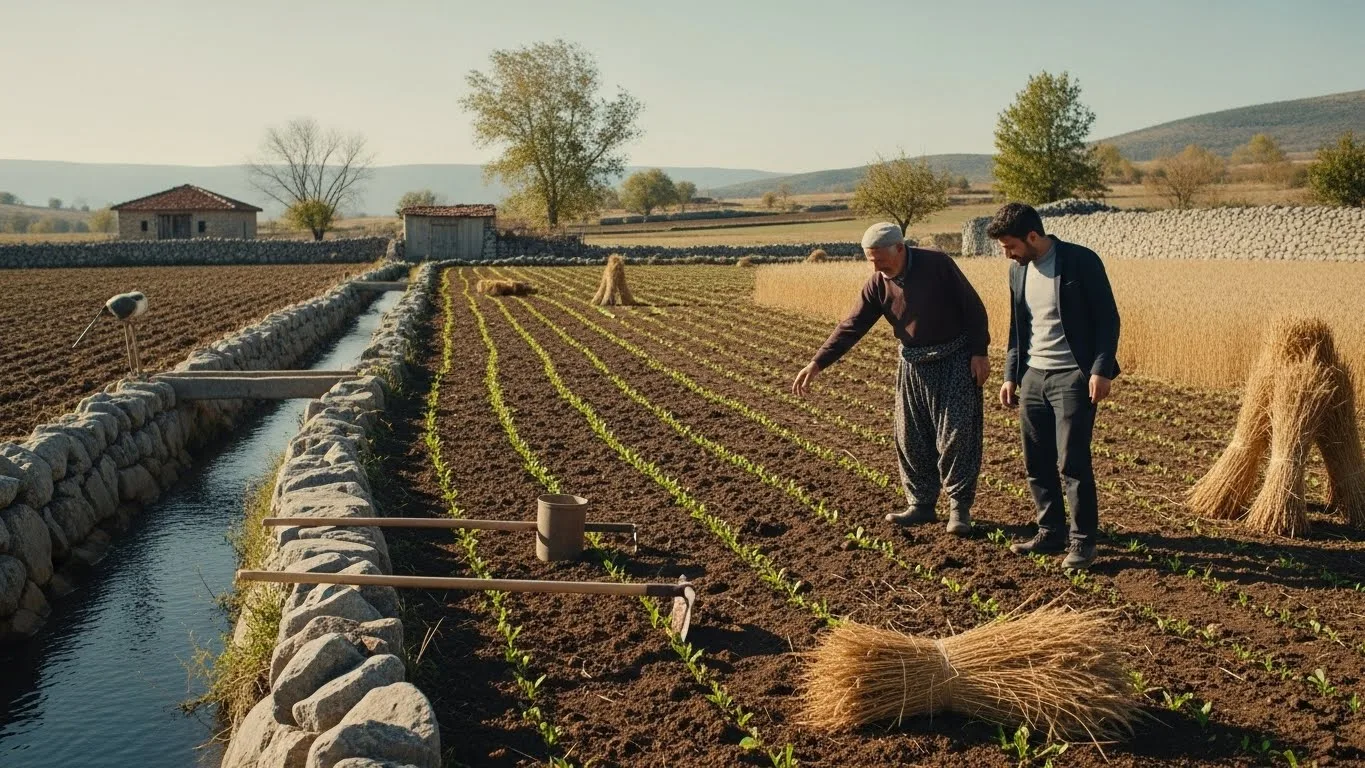
The agriculture of the future may be shaped by satellite data, autonomous tractors, and sensor-based analytics, yet there are also paths forward that do not forget our roots. Today, we face numerous crises: climate change, soil fatigue, loss of biodiversity, and fragility in supply chains. In solving these problems, not only high technology but also millennia-old ancient agricultural wisdom emerges as a powerful tool.
The Cornerstones of Ancient Wisdom
Ancient agriculture is not merely about placing seeds in the soil; it is a process of observing nature, living in harmony with the seasons, establishing balance between plants, and—most importantly—learning patience. Traditional practices include planting according to the lunar calendar, polyculture (growing multiple crops together), soil resting, and creating natural cycles with animal manure. These are practices that have begun to disappear in modern industrial agriculture, yet they align perfectly with today’s sustainability goals.
Wisdom and Science Hand in Hand: Hybrid Solutions
Today’s agriculture no longer follows a sharp “either traditional or modern” divide. On the contrary, we are entering a new era where wisdom and science meet. The intuition of a farmer who knows which crops have grown in that soil since ancient times can now work alongside sensors that analyze the soil. While digital systems increase yields, it has also become possible to preserve natural genetic diversity through heirloom seeds. For example, many local producers now match heirloom seeds with modern climate data to develop varieties resilient to climate change. This means reinterpreting the wisdom of the past in light of the conditions of the future.
Fermented Foods: Wisdom Transformed into Flavor
Ancient agricultural wisdom reveals itself not only in the field but also on the table. Pickles, for instance, are not just a side dish—they represent a thousands-year-old formula for delaying spoilage, enhancing nutritional value, and strengthening immunity. Fermented foods, which are rising in popularity again today, bring these ancient methods together with industrial hygiene standards, scientific fermentation techniques, and shelf-life optimization, carrying them to modern tables. This transformation is of great importance not only for health but also for cultural continuity and food resilience.
Conclusion: The Source of Resilience Lies in the Roots
Today’s agricultural production should not be solely about producing more; it should focus on building a more meaningful, resilient, and sustainable system. The path to this goal requires learning both from science and from how our ancestors read the soil. Ancient wisdom is a form of resilience that has been filtered through time. When we combine this resilience with technology, we can build an agricultural understanding that nourishes not only the present but also the future.