
Pickles, a flavor and preservation method that has traveled from the depths of history to the present day, are not only an indispensable part of the table; they are also silent witnesses to humanity’s relationship with nature, survival strategies, and technological progress. The journey from glass jars to smart packaging, from fermented pickles in earthen crocks to industrial production, reveals the evolution of this culture.
The Preservation Wisdom of the Past: Crocks, Jugs, and Natural Fermentation
Pickle culture is a food preservation method that began in prehistoric times and developed particularly in Mesopotamia, Anatolia, and the Far East. This process, carried out with salt, vinegar, and various spices, delayed spoilage while enriching flavor. The containers used in those periods were generally earthen crocks; their breathable structure provided ideal conditions for natural fermentation.
The Revolution Brought by the Discovery of Glass
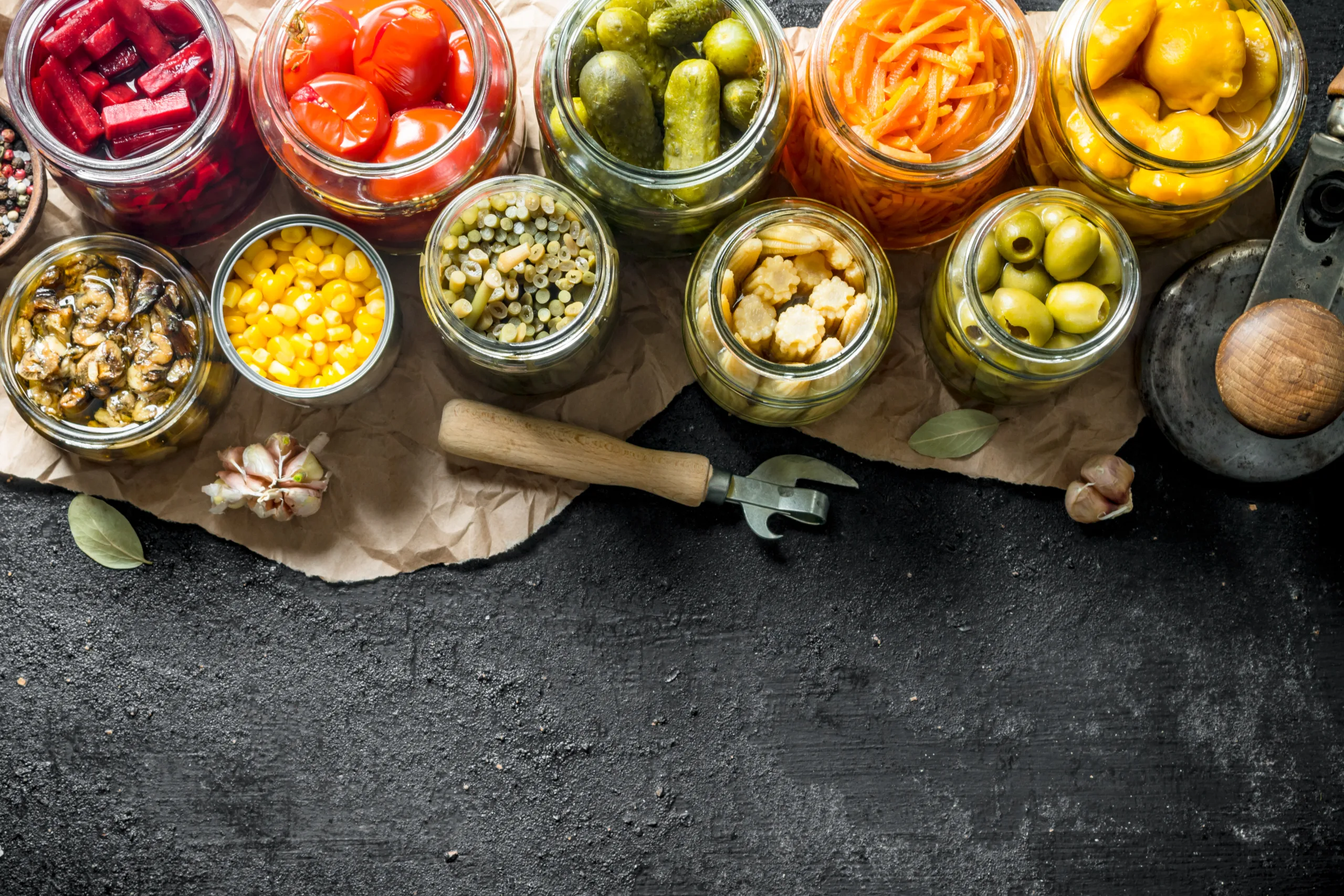
With glass becoming manufacturable, a new era began in terms of hygiene and aesthetics thanks to transparency. Especially in the 19th century, glass jars became an indispensable element of food preservation. The fermentation process could now be visually monitored, and product presentation became more appealing. Established companies carried this tradition into the present by combining it with modern quality control processes.
Industrial Production and Automation
Today, jars are not merely storage containers but also technological products. With automation systems, processes such as filling, capping, and pasteurization are carried out in hygienic and sustainable ways. Heat resistant, recyclable glass; BPA free lids; and QR coded labeling systems provide consumers with both confidence and information.
Toward Smart Packaging
In the near future, jars will no longer serve only a storage function. Through smart packaging systems, data such as content information, freshness levels, and storage recommendations will be digitally monitored. Innovative producers are investing in these technologies to enhance food safety and establish a transparent relationship with consumers.
The Carrier of Culture: Beyond the Jar
The jar is not just an object; it is the carrier of a culture. Present on tables set in the heart of Anatolia, in recipes passed down from generation to generation, and in the ritual of “making pickles” that still continues today, this object connects past and present, tradition and technology. The simple appearance of pickle culture within a jar holds a deep human story behind it. With the opportunities offered by technology, jars preserve not only food, but also the wisdom of the past and the potential of the future.