

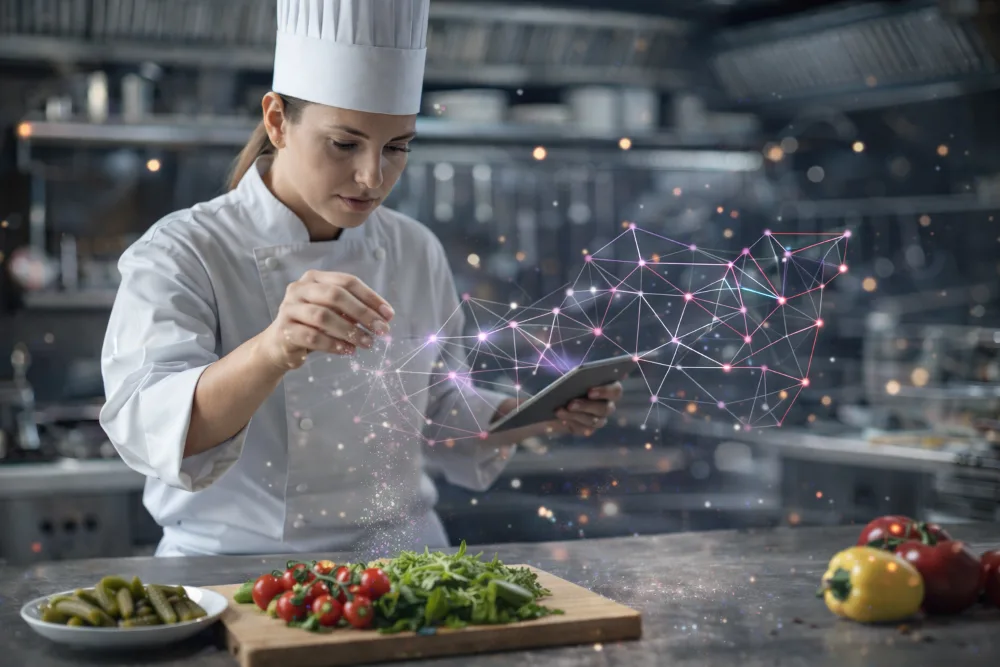
Traditional flavors that have endured for centuries are no longer found only in our grandmothers’ kitchens; they are being rediscovered in laboratories, universities, and research and development centers. From fermented products to pickles, from turnip juice to tarhana, deeply rooted tastes are being preserved through modern food technologies while also being reshaped to meet the needs of our time.
From Tradition to the Future: Flavors Are Being Coded
Adapting a traditional recipe to modern technology means optimizing not only taste, but also nutritional value, shelf life, production efficiency, and sustainability. For example, the stage at which a gherkin pickle reaches its ideal aroma and acidity during fermentation can now be measured in laboratory environments through microbiological analysis and sensor technologies.
New Products Developed with Taste Memory
Food R&D teams do not simply replicate tradition. They create what could be called “new traditional” flavors, aligned with consumer trends, health expectations, and parameters such as the climate crisis. For instance, a low-sodium, probiotic-enriched version of classic sauerkraut can offer a healthy yet flavorful alternative.
Science Inside the Jar
Today, a jar of pickles is not merely a combination of vegetables, water, vinegar, and salt; it is also the result of microbiological balance, controlled fermentation, smart packaging, and a recyclable production chain. Thanks to food R&D, pickles preserve their traditional character while delivering innovative solutions to modern tables.
Consumers Meeting R&D
Brands are no longer keeping their R&D processes behind closed doors. Through open kitchen formats, consumer panels, and social media campaigns, they are making these processes transparent. As a result, people are not only consuming a product, but also the effort, science, and story behind it.
Preserving and Reinterpreting Through Science
The journey “from laboratory to field” is not simply a reversed production chain; it represents a vision where tradition and modernity merge. Through food R&D, the flavors of the past secure their place on the tables of the future in a stronger, healthier, and more sustainable way.