

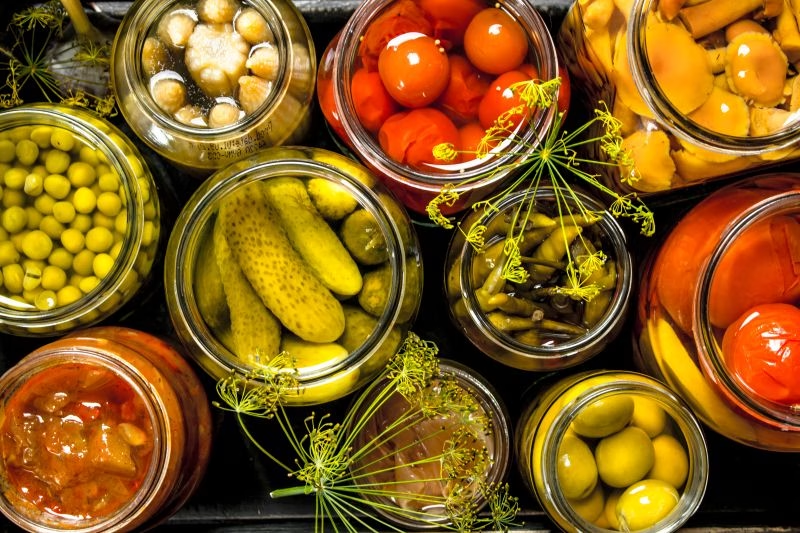
Fermentation, one of the oldest culinary techniques in human history, is not only a method of food preservation but also a silent carrier of cultural memory, nature-aligned production, and sustainable living. Today, as global challenges such as climate change, food waste, and resource management become more pressing, this ancient method is regaining its importance. Because fermentation is one of the rare production practices that can connect the wisdom of the past with the needs of the future.
Fermentation: Nature’s Own Technology
Fermentation is a natural process in which microorganisms, especially beneficial bacteria, transform food. This transformation begins with salt, time, and the right environmental conditions. It not only extends the shelf life of vegetables but also enhances their nutritional value and digestibility.
Products such as pickles, yogurt, kefir, vinegar, and fermented sauces are among the most sustainable solutions humanity has developed by observing nature. This method requires no electricity, complex machinery, or high energy consumption. In essence, it utilizes nature’s own preservation mechanism.
Why Is It Gaining Importance Again?
Modern food systems have long been built on speed, standardization, and high production capacity. However, the environmental costs of this model have become increasingly visible. Dependence on cold chains, food waste, and high energy consumption are prompting a reconsideration of alternative methods.
Traditional fermentation techniques:
- Reduce energy demand
- Prevent food loss
- Extend seasonal production throughout the year
- Provide natural preservation
- Support local production cultures
For these reasons, fermentation is being rediscovered as a key component of sustainable food systems.
Pickling: A Symbol of Culture and Resilience
In Anatolian cuisine, pickles are more than just a side dish. They are part of winter preparations, a culture of sharing, and collective memory. Preserving vegetables harvested in season reflects a production approach that respects the natural cycle.
Each jar carries not only vegetables but also the effort of the soil, the knowledge of the producer, and the patience of time. For this reason, pickles are once again gaining value today, both gastronomically and ecologically.
Where Traditional Knowledge Meets Modern Science
Today, fermentation is no longer just a culinary practice but also a focus of scientific research. Thanks to advancements in microbiology and food R&D, fermentation processes are better understood, while quality, safety, and standards are supported by modern methods.
This integration allows:
- Traditional recipes to be preserved
- Product safety to be enhanced
- Nutritional value to be optimized
- Naturalness to be sustained in industrial production
In other words, the knowledge of the past is carried into the future through scientific validation.
Not Preserving the Past, But Building the Future
Traditional fermentation techniques are not merely nostalgic habits; they are a strong reference point for the future of food systems. These methods, aligned with the rhythm of nature, both preserve cultural heritage and guide sustainable production practices.
Today, making a jar of pickles is not just following a recipe. It is continuing an ancient agreement with nature. Because sometimes, the most powerful way to protect the future is to remember the knowledge of the past.