

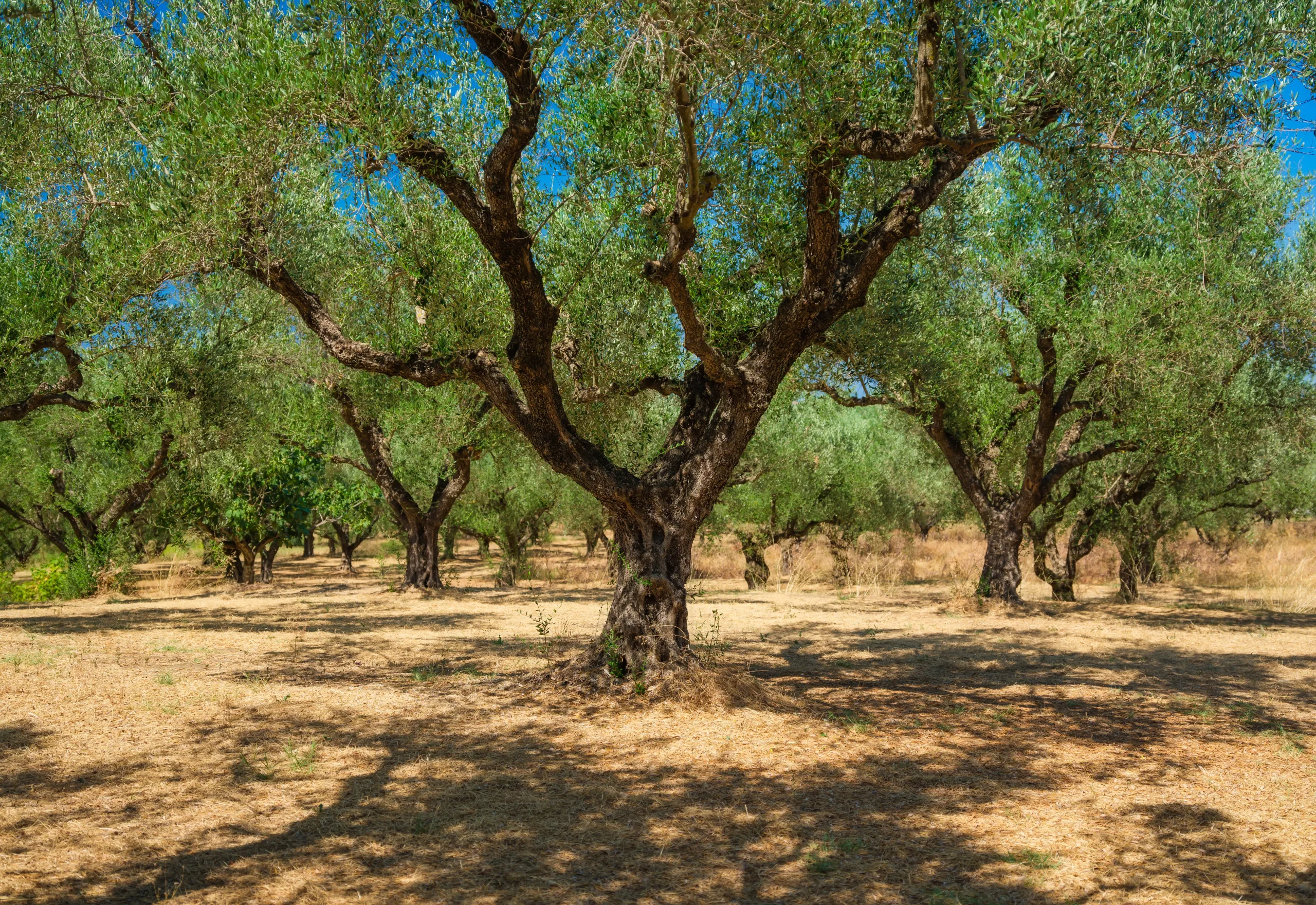
For centuries, the olive tree has been a symbol of the Mediterranean, an ancient representation of peace and abundance. Today, however, even this resilient tree is facing growing threats. The climate crisis, shrinking water resources, and increasing drought are deeply affecting olive cultivation. These changing climate conditions are pushing producers to search for a new path: reshaping agriculture with drought-resistant olive varieties.
Drought: A Silent but Powerful Threat
Climate change is making itself felt especially in the Mediterranean basin through rising temperatures and decreasing rainfall. Declining soil moisture, the growing value of water, and increased evaporation are making agricultural activities more challenging. One of the crops most affected by this situation is the olive. Young trees in particular, which have higher water needs, suffer more from drought.
New Approaches in Olive Cultivation: Drought-Resistant Varieties
Scientists and agricultural experts are studying how traditional olive varieties respond to drought stress and are working on developing more resilient types. While some local varieties are naturally more resistant, others are being adapted to drought through traditional breeding methods.
These varieties share common characteristics:
- Thanks to deep and widespread root systems, they have a strong ability to reach water.
- With smaller and thicker leaves, they minimize water loss.
- They can produce high-quality fruit even with less water.
A New Balance in Agriculture: Yield or Resilience?
Some drought-resistant varieties may offer lower yields compared to classic types. However, for producers who think about the future, stable and sustainable production is more valuable than short-term high harvests. At this point, the preference shifts toward varieties that minimize risk and have a high capacity for adaptation.
Knowledge, Experience, and Respect for Nature
At Berrak Turşuları, we believe that olives are not just a product, but a legacy of the land, culture, and the future. For this reason, we:
- Support research into local drought-resistant varieties.
- Encourage our contracted producers to plant varieties suited to their soil.
- Promote water-saving systems such as drip irrigation.
- And most importantly, we see the fight against climate change not only as an environmental issue, but as a responsibility of production.
Sowing Seeds for the Future
The solution to drought lies not in acting against nature, but in moving forward together with it. Carrying an ancient tree like the olive into the future depends on scientifically supported local knowledge, proper variety selection, and sustainable farming methods. Because the future of the olive tree is shaped by the decisions we make today.