

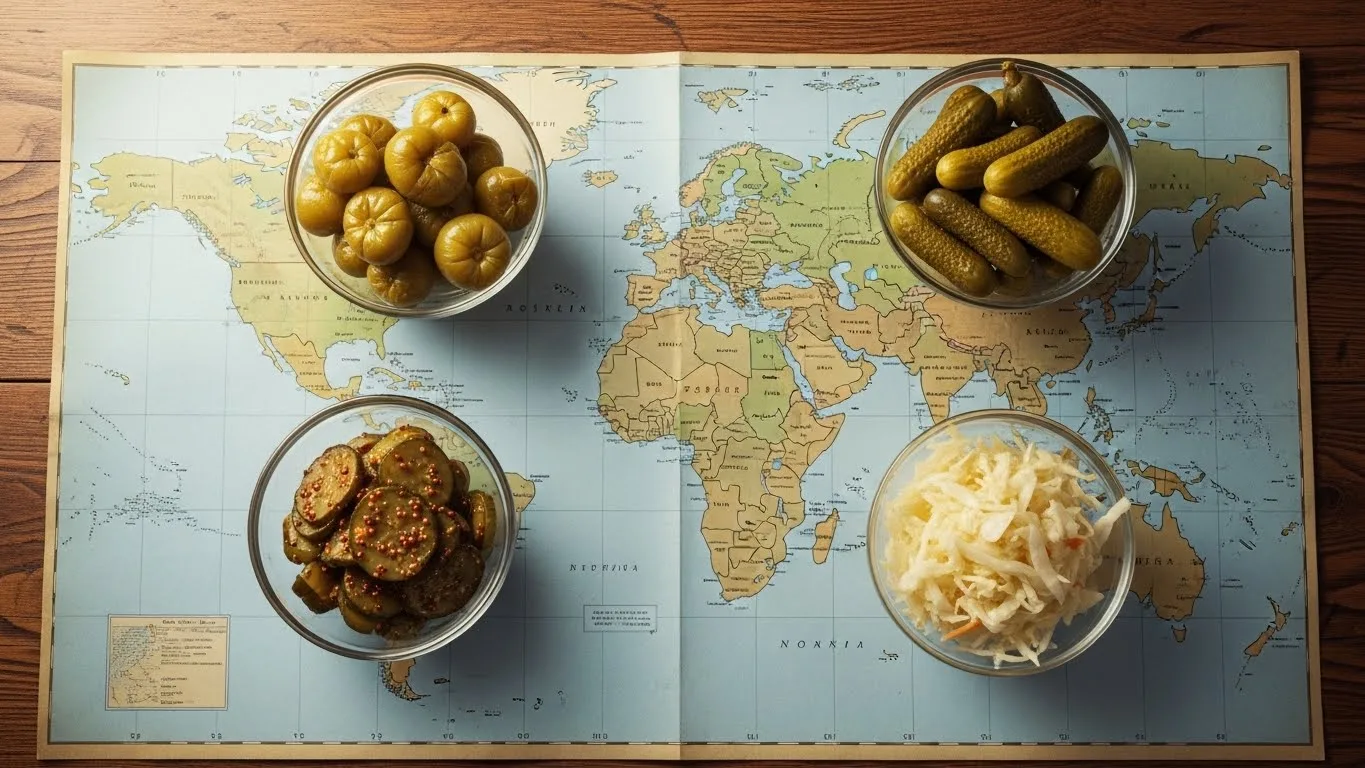
At a dinner table, there is not only taste but also history, geography, and identity. Food products are no longer merely items of consumption; they have become “ambassadors of flavor” that carry nations’ cultural memories, diplomatic influence, and economic visions. At this juncture, geographical indication (GI) products stand out as the most visible carriers of a powerful story that stretches from the local to the global.
Geographical Indications: Identities Stamped with Flavor
A geographical indication is the registered name of unique products born from the natural conditions and cultural heritage of a specific region. It is not just a quality standard; it also represents the rights of local producers, consumer trust, and national reputation. Products such as Antep baklava, Aydın figs, and Ezine cheese—as well as certain culinary techniques or preservation traditions—can be the subject of this designation.
Identity in a Jar: The Quiet Diplomacy of Pickles
This is where a simple yet profoundly meaningful product enters the scene: pickles (turşu). Made across Türkiye with different vegetables and varying proportions of salt, vinegar, or lemon juice, pickles are unique examples of preserving local agriculture, sustaining traditional preservation methods, and reflecting cultural diversity.
Today, Tokat’s tomato pickles, Afyon’s cucumber pickles, or Hatay’s spicy mixed vegetable pickles do not merely delight the palate; they narrate the region’s climate, the people’s production styles, and dining habits. Some of these products have already received geographical indication registration, while others are on the threshold of the process.
Pickles are not only staples of local markets; along trade routes stretching from Europe to the Middle East, they serve as quiet yet powerful cultural ambassadors representing Türkiye’s rich fermentation heritage.
Cultural Diplomacy Built with Flavors
At international food fairs, bilateral meetings, or exclusive tasting events, geographical indication products are recognized as a country’s “story told through taste.” A jar of pickles becomes a silent but striking character in this narrative. A tasting that begins with olives and is enriched by a slice of cheese can unexpectedly forge a cultural bond with a seemingly homemade cucumber pickle.
The Power of Local Products on the Global Stage
In world trade, value-added products are among the most discussed and marketed categories. Geographical indication products function here not only as gastronomic assets but also as economic and geopolitical levers. While the European Union pursues a highly assertive policy in this field, Türkiye has begun incorporating its diverse riches—including pickles—into this domain. Particularly the association of fermented products with health benefits, their long shelf life, and the global quest for authentic local flavors have transformed traditional items like pickles into sought-after elements on modern tables.
Diplomacy in a Jar
Geographical indication products protect local producers while simultaneously strengthening a country’s culinary diplomacy. Among these diplomats, pickles are modest yet effective representatives. They carry more than just flavor: a cultural memory, a geographical narrative, and a strategic power. In the tables of the future—where the world seeks not only taste but meaning—these stories are ready to be heard.
Perhaps one day, when you open a jar, you will encounter not just a pickle, but the soul of an entire geography.