
The global food system has long been built on high yields, low costs, and rapid supply cycles. However, the environmental, cultural, and social costs of this system have now reached an undeniable point. It is at this juncture that the Slow Food Movement, born in Italy in the late 1980s, stands out not only as a gastronomic stance but also as a cultural and environmental resistance. So, what is the relationship of this movement with local producers? And can it truly bring global balance to our tables?
Cultural Resistance Against Industrial Speed
The Slow Food Movement is not just about “eating more slowly”; it also means restructuring production, consumption, and consumer preferences. Preserving local seeds, keeping traditional production methods alive, and ensuring food sovereignty are among the cornerstones of this movement.
The damage caused by industrial agriculture to nature, the homogenization of tastes, and the marginalization of small farmers provide strong justifications for this new paradigm. Slow Food proposes a fairer, cleaner, and more sustainable future by preserving the soul of the soil and the character of local flavors.
Local Producer: The Key to Global Balance
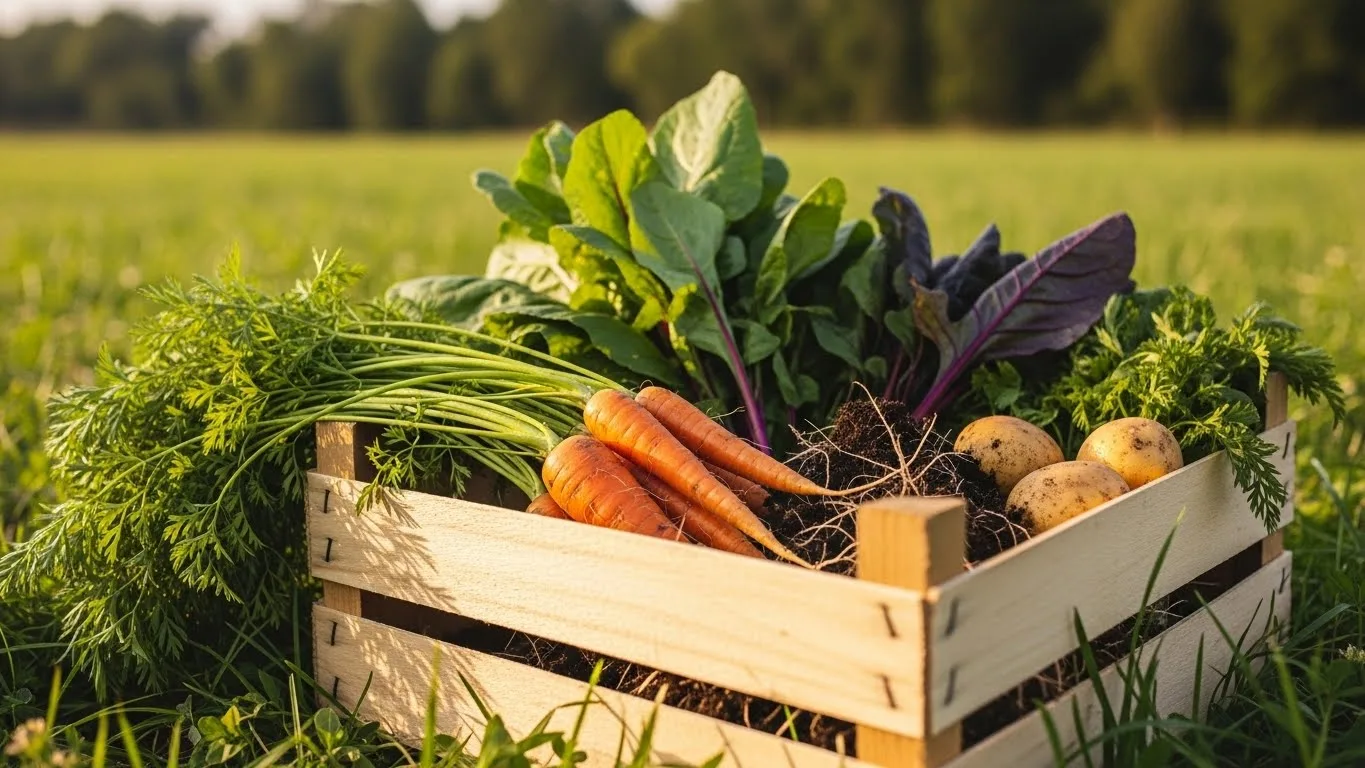
The success of Slow Food largely rests on the shoulders of local producers. Because the local producer:
- Builds a relationship with the soil through wisdom passed down from generation to generation.
- Carries traces of identity, culture, and geography in their products.
- Produces on a human scale rather than an industrial one; thus reducing waste and pressure on nature.
Inside a jar of pickles, there is not just cucumber or pepper; there is the microflora of a region, the taste memory of a people, and the traces of an ancestral recipe. When we consider why a clear pickle finds resonance in different cuisines around the world, we better understand how the local can become universal.
Food Sovereignty and Cultural Diplomacy
The Slow Food Movement is also a defense of food sovereignty. In other words, it advocates for peoples’ right to determine their own seeds, production methods, and food systems. At this point, the local producer is not just a farmer; they are also a culture bearer, a guardian of memory, and sometimes a silent diplomat.
Kars cheese, Aydın figs, Ezine cheese, or Berrak’s traditional pickles… Each of these can initiate a cultural dialogue at the table. Even in the shadow of geopolitical tensions between countries, the relationships established at the table can be one of the soft yet effective paths of cultural diplomacy.
How Does the Global Consumer Meet the Local Producer?
Increasing awareness on a global scale and the conscious consumer profile present a great opportunity for local producers. Online sales channels, direct farm-to-table models, e-commerce platforms, and geographical indication certifications are among the tools that strengthen this bridge. However, what needs attention here is ensuring that the local producer integrates into these global networks without losing their spirit and values. The Slow Food Movement provides a compass for both producers and consumers at exactly this point.
Conclusion: Balance at the Table is Possible
Yes, global balance at the table is possible. But this balance can only be established with respect for local tastes, producers, and traditions. The Slow Food Movement is not a trend; it is a state of awareness. The local producer is the living, producing, and transmitting part of this awareness. When we open a jar of pickles today and think not only of the flavor but also of the labor behind it, the past, and a sustainable future; perhaps the greatest transformation at the table has already begun.