

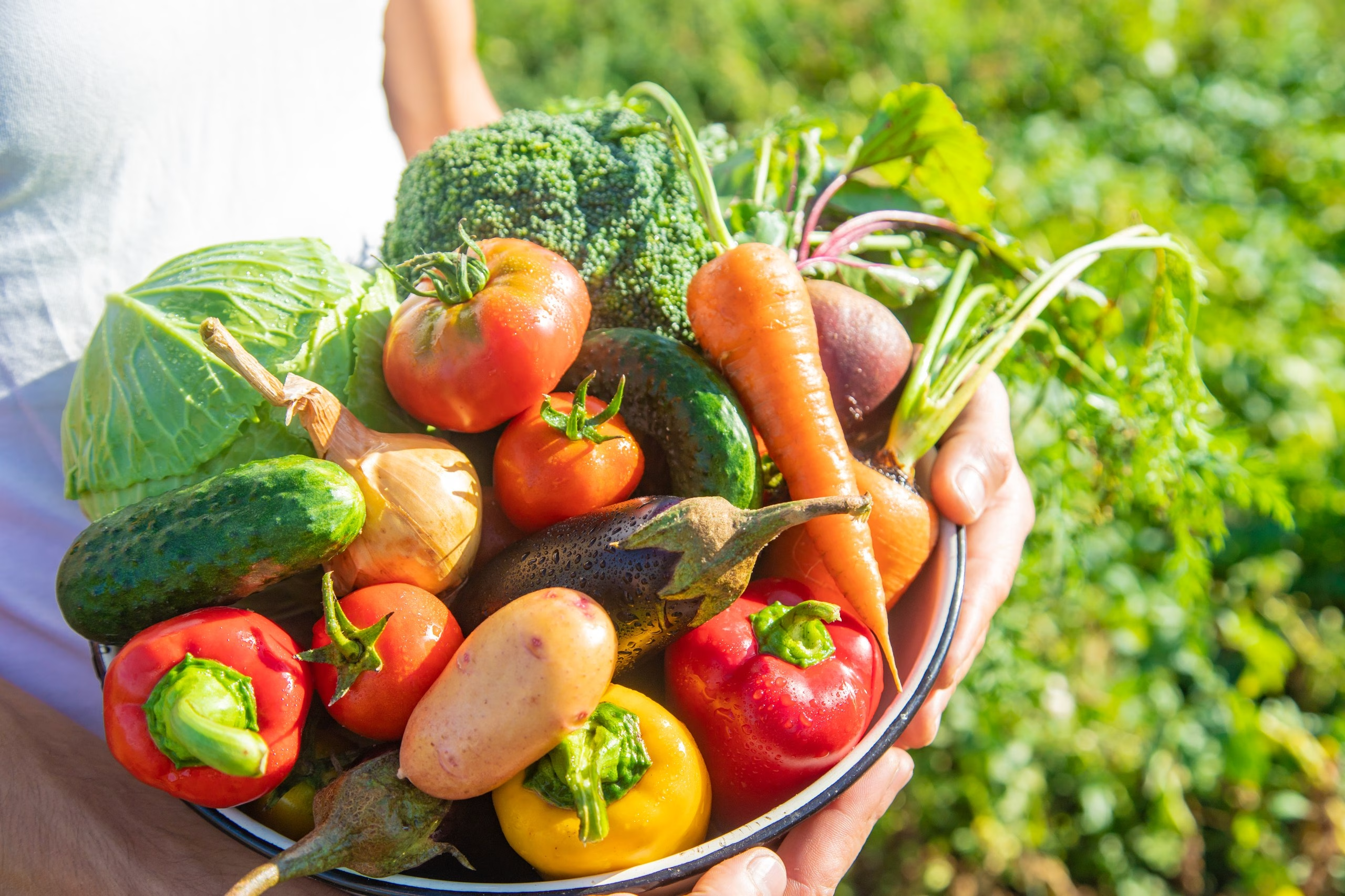
Climate change is no longer just an environmental debate; it is a reality that directly affects our tables. Rising temperatures, erratic rainfall, drought, and changes in soil fertility make it imperative to rethink food production systems. At the center of this transformation lies a concept we hear increasingly often: climate-resilient food.
So, what exactly does climate-resilient food mean, and which products will find a larger place in our kitchens in the future?
What is Climate-Resilient Food?
Climate-resilient food refers to agricultural products that maintain their productivity despite changing climate conditions, can be grown with fewer resources, and demonstrate resilience against environmental stress. These products are generally:
- Drought-resistant,
- Capable of adapting to extreme heat or sudden weather changes,
- Requiring less water and chemical input,
- Grown using production models that protect soil health.
But it is not just about the resilience of the plants. Production methods, the supply chain, and food storage techniques are also part of climate resilience.
Why Is It No Longer a Choice, But a Necessity?
Agriculture is one of the sectors most rapidly affected by the climate crisis. While the cultivation areas for some traditional crops are shrinking, production costs are rising, and harvest times are changing. This situation directly affects not only the producer but also the consumer.
Thanks to climate-resilient foods:
- Food supply becomes more stable,
- Price fluctuations decrease,
- Local production maintains its sustainability,
- Food security is strengthened.
In other words, climate resilience is the food security of the future.
Which Products Will Stand Out on the Table of the Future?
- Drought-Resistant Plants: Legumes and grains like chickpeas, lentils, sorghum, and millet are regaining value as they can grow with less water. Being rich in protein also makes them an important part of a sustainable diet.
- Local and Highly Adaptable Species: Local varieties that have been grown in specific geographies for centuries can adapt to environmental changes much better compared to modern hybrid species. Anatolia’s traditional fruit and vegetable varieties hold great potential in this regard.
- Fermented and Long-Lasting Foods: Pickles, fermented vegetables, and products preserved through natural methods contribute to sustainable food systems by reducing the need for energy-intensive cooling chains. At the same time, they indirectly strengthen climate resilience by reducing food waste.
- Multi-Purpose Agricultural Products: Products that are both nutritious and resilient—such as olives—stand out as key actors in agriculture that adapt to climate change with their low water requirements and long-lasting tree structures.
Technology and Tradition Working Together
Climate-resilient production doesn’t just mean a return to the past. Thanks to satellite data, smart irrigation systems, soil sensors, and data analytics, producers can optimize resource usage. However, the success of technology is made possible through the guidance of local agricultural knowledge. The experience passed down through generations often determines which crop will adapt to which soil.
The Consumer’s Role: Choosing the Table of the Future
Consumers also play an active role in the transformation of the food system. Opting for seasonal products, supporting local production, and turning to long-lasting foods are among the important steps that encourage climate-resilient production. Every shopping choice represents a small but impactful decision that determines what kind of agricultural system will be carried into the future.
What Will the Table of the Future Look Like?
In the future, our tables will likely have a structure that is more local, seasonal, plant-based, enriched with fermented products, and conscious of resource usage. This transformation is not a loss; on the contrary, it signifies a return to a more harmonious and balanced food culture with nature.
Resilient Food, Resilient Future
The concept of climate-resilient food is not just an agricultural trend; it is one of the cornerstones of the future lifestyle. A holistic approach spanning from production to consumption makes it possible to both protect nature and ensure food security. Because the question of the future is no longer “What will we eat?” but rather, “How can we produce so that we can continue to eat?”