

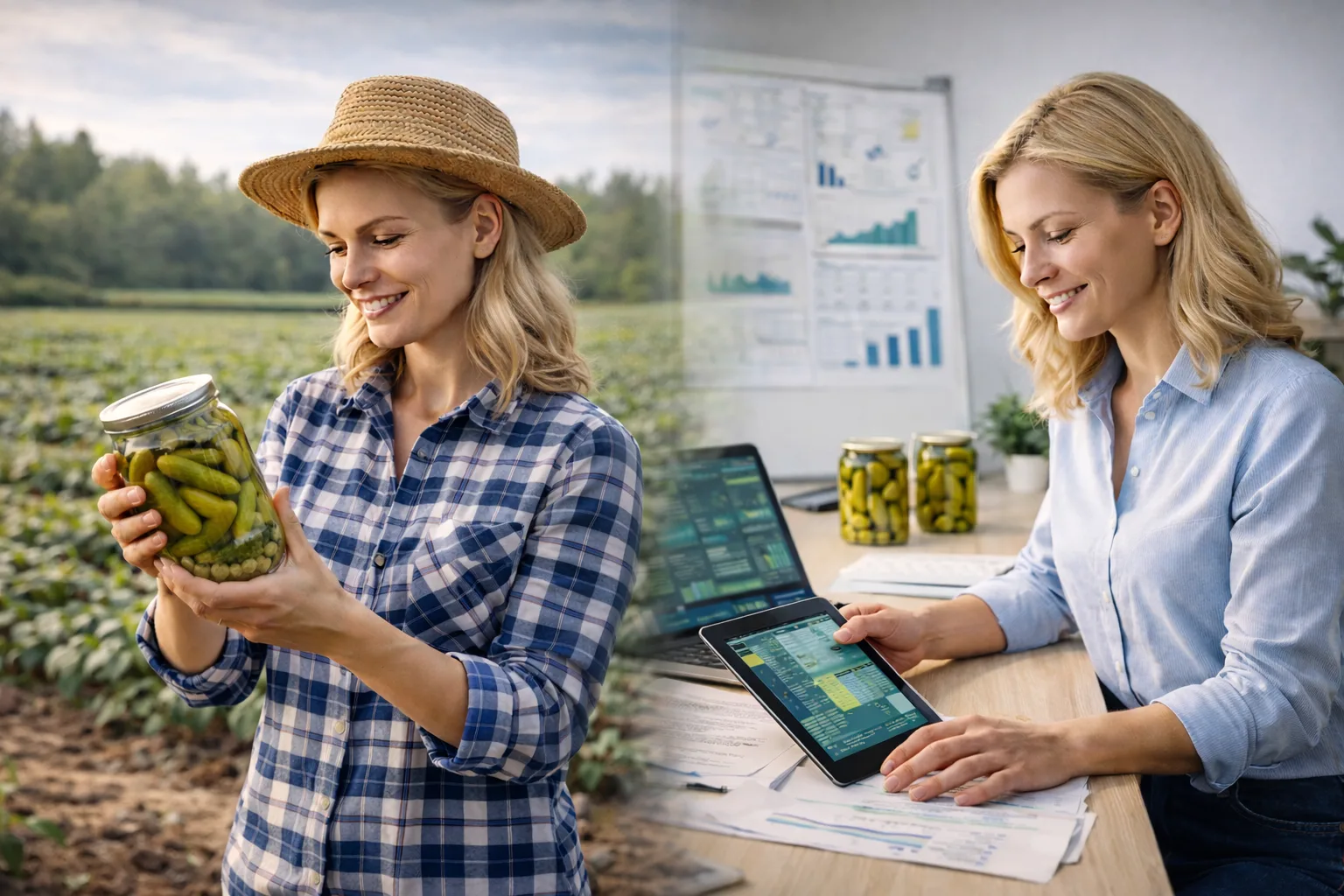
Agriculture has for centuries been one of the most direct arenas where humans connect with nature. One of the quietest yet most powerful actors in this relationship has always been women. However, their labor was long overlooked. Today, the balance is shifting. Digitalization, the pursuit of sustainability, and rising consumer awareness are making women’s role in agriculture not only visible but truly transformative. So how did this transformation begin, and where is it heading?
The Power of Unseen Labor: The Ancient Wisdom of Women in Agriculture
Throughout history, women have been more than just the hands working in the fields; they have been the memory that carried knowledge, seeds, recipes, and production practices across generations. In Anatolia, concepts such as “pantry culture,” “homemade tomato paste,” and “pickling season” were always upheld by women. Yet this labor largely remained within the home, in informal spaces.
Today, this knowledge is gaining a more visible and organized form through food entrepreneurship, cooperatives, rural development projects, and agricultural technologies.
Women’s Signature in Next-Generation Agriculture
Modern agriculture is no longer just about driving a tractor across the field; it now encompasses data analysis, sensor technologies, sustainable irrigation, marketing strategies, and branding. In these areas, women are increasingly taking the lead.
- A women’s cooperative emerging from a village can brand its homemade pickles and jams with geographical indications and reach nationwide supermarket chains.
- A female agricultural engineer and entrepreneur develops drought-resistant farming models using smart irrigation systems.
- Women experts working in agricultural R&D centers create natural solutions that optimize the fermentation process for pickles, enhancing both flavor and shelf life.
These are just a few examples. In Türkiye and around the world, women are now present not only in the fields but also at the tables where the strategy for the land is drawn.
Inspiration Hidden in a Jar of Pickles
A simple jar of pickles contains more than just vegetables, water, and salt—it holds a culture, a technique, a woman’s labor, and her intuition. For rural women producers in particular, pickling has become a pathway to economic independence. Products made with traditional knowledge but presented with modern packaging and branding are finding places in both local markets and global tables.
The relationships that brands like Berrak and Zeytursan have established with local producers serve as institutional examples of this supportive structure. The women’s cooperatives backed by these brands are no longer just producers; they have become educators, decision-makers, and role models.
Those Who Leave Inspiration for the Future
Today’s female farmers produce not only goods but also inspiration for the next generation. For young girls, seeing their mother attend a cooperative meeting, sell her own products at the market, or be invited as a speaker to a project plants one of the strongest seeds of the belief: “I can do it too.”
Thanks to collaborations with universities, NGOs, and brands, these success stories are multiplying. Agriculture is now becoming a tool that transforms not only the soil but society as a whole.
If There Is Anything Stronger Than a Seed, It Is Belief
For centuries, women have been the silent heroes who understood the language of the soil. Now, they are taking that knowledge and blending it with the tools of the digital age to become leaders who transform both local development and the global food system. To chart the course of next-generation agriculture, we now need not only machine power but also women’s intellect, patience, and vision. And this transformation is healing not just food production but the entire fabric of society.