

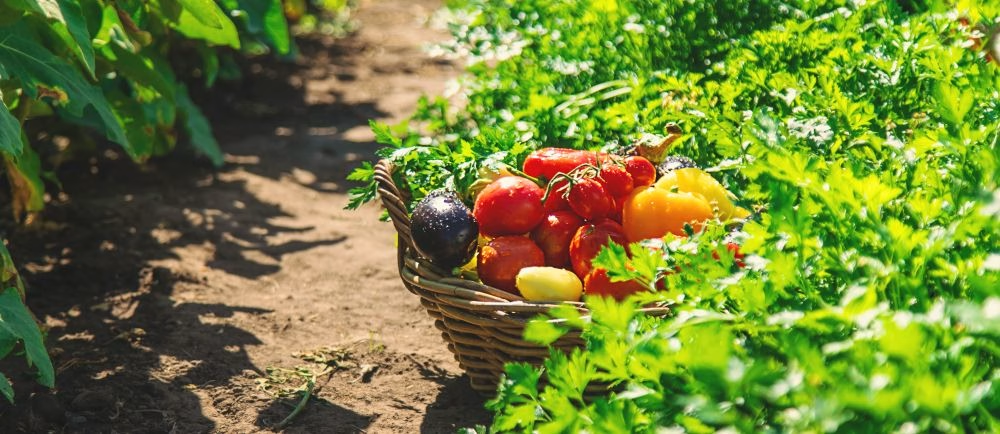
The traces of the seasons have largely disappeared from supermarket shelves. Seeing eggplants in January or leeks in July has become completely ordinary. Yet nature follows its own precise and unwavering calendar. This calendar determines not only what we eat, but also how much nourishment and flavor we gain from it.
1. Capturing the Spirit of the Season: Why Seasonal Matters
Nature provides exactly what our bodies need in each season. During summer, refreshing vegetables with high water content take center stage, while winter brings hardy root vegetables that help strengthen the immune system.
Nutritional Value
A vegetable grown in its natural season offers its vitamins and minerals at their peak. Out-of-season produce, forced to grow with artificial lighting and intensive inputs, is often only a shadow of what that vegetable is meant to be.
The Difference in Flavor
The difference between a tomato ripened under the sun on the vine and one matured in a greenhouse tunnel is a gastronomic world apart.
2. Pickling: The Magical Formula That Preserves the Seasons
Pickling culture is, in fact, a reflection of deep respect for nature’s calendar. Our ancestors discovered fermentation as a way to extend the abundance that the land offered for only a limited period each year.
A Time Capsule
When we pickle the crunchiest cucumbers of summer or the heartiest cabbages of autumn, we are actually carrying the sunshine and energy of that season into the coldest days of winter.
Sustainability
Seasonal production and pickling help prevent food waste, support local farmers, and ensure that food is processed at its freshest, without traveling thousands of miles.
3. Living in Harmony with the Ecosystem: Letting the Soil Rest
Soil becomes exhausted when it is constantly forced to produce the same crops. Seasonal production allows the land to follow its natural cycle.
Preserving Natural Balance
Planting each crop at the right time reduces the need for chemical pesticides. Crops grown in their proper season benefit from nature’s own defense mechanisms and are naturally more resilient.
4. Rituals in Culinary Culture
Seasonality brings rhythm to our kitchens. The aroma of vinegar filling homes during pickling season is more than preparation for winter; it is a renewal of the ancient connection between families, communities, and nature.
While out-of-season consumption removes the excitement and anticipation that once accompanied seasonal foods, seasonal production teaches us patience and gratitude.
Returning to Nature’s Pace
Eating seasonally and preserving the season’s abundance through methods such as pickling is not merely a dietary preference; it is a responsibility we share toward the world around us.
That is why we believe the best pickles are made from vegetables harvested at exactly the right time, and why we remain committed to following nature’s calendar.