

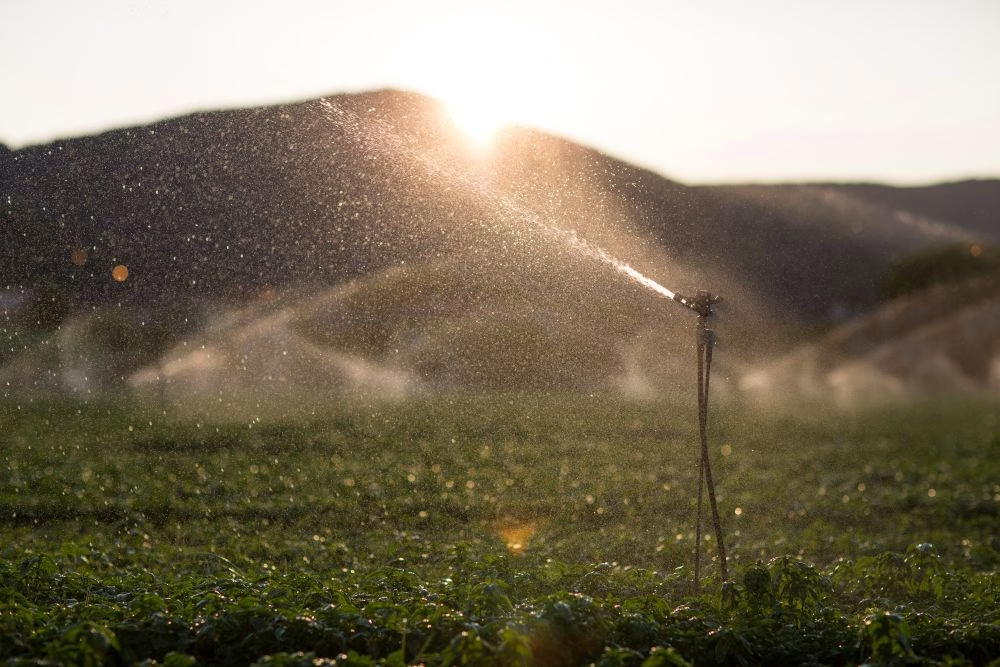
The story behind the crisp pickles on our tables actually begins with a single drop of water. However, the climate crisis and increasing drought risks are threatening the future of this story. Today, it is no longer only about what we grow, but also how much water we use and how we cultivate it that truly matters.
1. The Water Footprint: The Effort Behind a Jar of Pickles
Agriculture is the world’s largest consumer of freshwater resources, accounting for nearly 70% of global freshwater use. Considering that cucumbers and cabbages are made up of more than 90% water, mistakes in irrigation affect not only yield but also the texture and pickling quality of the produce.
Not More Water, but the Right Amount:
Over-irrigation damages the mineral structure of the soil and causes vegetables to develop a softer texture. For high-quality pickles, balanced and carefully controlled irrigation is essential.
2. Smart Irrigation Systems: From Flood Irrigation to Drip Technology
With traditional flood irrigation methods, more than half of the water is lost through evaporation. In modern agriculture, technologies that prevent this loss are no longer optional but necessary.
Drip Irrigation:
By delivering water directly to the plant’s root zone, drip irrigation can increase water savings by up to 50%.
Sensor Technologies:
Soil moisture sensors ensure that plants receive only the amount of water they truly need. This strengthens the cell structure of vegetables, resulting in crunchier pickles.
3. Drought-Resistant Local Seeds
Modern agricultural management addresses water conservation not only through technology but also through biology. Returning to Anatolia’s local seeds, naturally adapted to drought and low-water conditions, is one of the strongest guarantees of food security. These seeds are more resilient to climate shocks and water stress.
4. Water Recycling and Rainwater Harvesting
Modern farms are now building their own sustainable water cycles.
Rainwater Harvesting:
Rainwater collected from greenhouse roofs or field edges is stored for use during dry periods.
Greywater Reuse:
Treating and reusing water within agricultural operations is one of the most environmentally responsible steps in sustainable food production.
Irrigating the Future
Ultimately, effective water management not only reduces farmers’ costs but also ensures that future generations can continue enjoying the famous pickles of Anatolia. As the Berrak Family, we support production with the awareness that every drop of water nurtures a vegetable, every vegetable represents hard work, and every jar carries the future within it.